

Balcony Leaking After Rain in Melbourne? Here’s What’s Really Happening
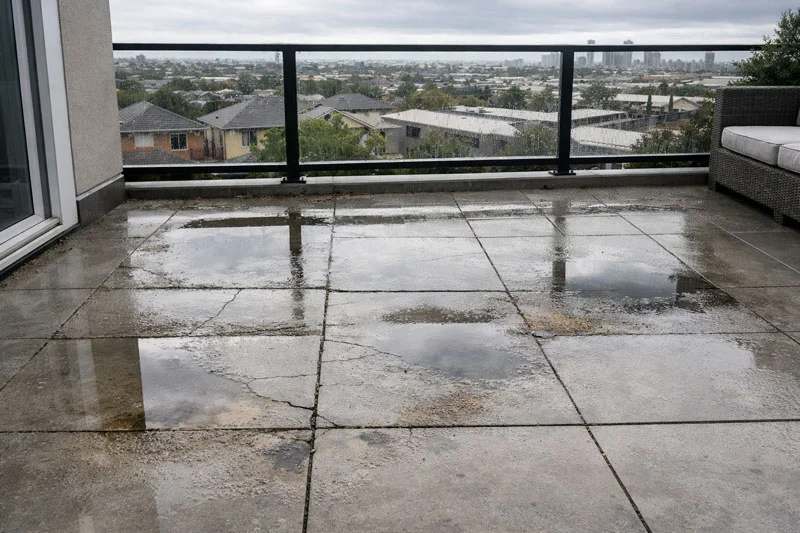
Last night’s rain left a nasty surprise in your home. You’ve discovered your balcony leaking after rain in Melbourne. Maybe it’s a brown water stain spreading across your ceiling, or puddles sitting on your balcony that won’t drain away. You’re probably wondering if this is normal after heavy rain.
Here’s the honest truth: your balcony isn’t leaking because of the rain. The rain just showed you a problem that was already there.
Think of rain like a test. A healthy balcony should pass that test every time, no matter how hard it rains. When water gets inside your home, it means something underneath has failed. Melbourne’s harsh sun and crazy weather make this worse, breaking down the waterproofing that’s supposed to keep you dry.
Let me explain what’s actually going on and what you need to do about it.
Why Your Balcony Is Leaking After Rain (It’s Not What You Think)
Your balcony has a waterproof layer underneath those tiles. When it’s working properly, rain just rolls off and drains away. Nothing gets inside.
But Melbourne’s brutal summer sun is slowly destroying that waterproof layer. We’re talking UV levels that regularly hit “extreme” levels of 11 or higher. Year after year, this intense sun exposure makes that waterproof layer brittle. Eventually it cracks.
Then the rain comes. We get about 163 rainy days every year in Melbourne. When water hits your balcony, it finds every tiny crack and weakness the sun created. The water’s just doing what water does. It just flows through the easiest path it can find.
So no, the rain didn’t break your balcony. It’s showing you that the sun already did the damage months or even years ago.
What’s Actually Broken on Your Balcony
When you notice your balcony leaking after rain in Melbourne, one or more of these common issues has gone wrong:
Failed Waterproof Membrane (Main Cause of Balcony Leaks After Rain)
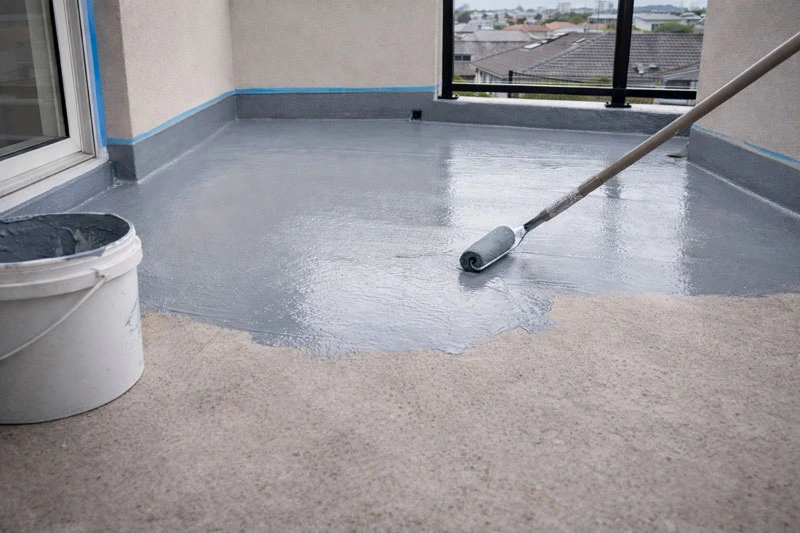
There’s a special waterproof sheet or coating under your tiles. This is your main protection against water getting inside.
Melbourne’s extreme weather is tough on this membrane. Hot summer days (sometimes hitting 35°C) make it expand. Cold winter mornings (down around 6°C) make it shrink. Do that cycle hundreds of times, and the membrane starts cracking.
Older balconies are worse. Especially ones built before 2010 often have membranes that just weren’t made to handle Melbourne’s climate. Once these cracks appear, rain seeps through and soaks everything underneath. Give it time, and that water finds your ceiling.
You’ll know it’s membrane failure if water stains show up on the ceiling directly under your balcony.
The Grout Between Your Tiles Is Broken
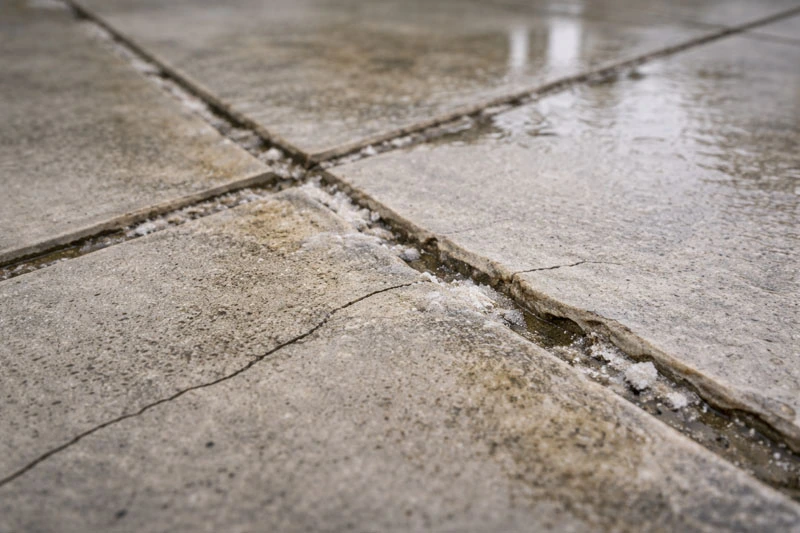
Look closely at the lines between your tiles. That’s grout, and it’s your first defense against water that seal everything up.
Problem is, Melbourne’s famous “four seasons in one day” weather puts huge stress on grout. When it’s hot, the tiles expand. When it cools down, they contract. The grout tries to hold on, but after enough cycles, it cracks.
Once grout cracks or falls out, every rain sends water straight down to the waterproof layer below. Professional tile and grout repair can restore this critical protective barrier before water damage spreads. And if that layer’s also damaged? Water flows right into your house.
Some tiles might even feel loose when you walk on them. Or they sound hollow when you tap them. That hollow sound? Water’s already gotten underneath and separated the tile from its base.
Water Isn’t Draining Properly
Your balcony should be built with a slight slope so water runs toward the drain. When that drainage system gets blocked or wasn’t built right in the first place, water sits in puddles instead of flowing away.
Those puddles aren’t just annoying. Standing water pushes against every crack and weak spot in your balcony, forcing its way deeper into the structure. Melbourne’s sudden heavy storms make this even worse. When 30mm of rain falls in an hour, blocked drains can’t keep up.
Leaves, dirt build up in drainage outlets. Sometimes plants even start growing in there. All of this creates a dam that traps water on your balcony surface, giving it more time to find a way inside.
Why Melbourne Makes This Worse
If you’re experiencing a balcony leaking after rain, Melbourne’s weather is uniquely tough and accelerates waterproofing failures.
Summer hits hard. From November to March, we get extreme UV almost daily. That intense sun slowly cooks your waterproofing materials. Making it brittle year after year. The tiles on top look fine, but underneath? Everything’s breaking down where you can’t see it.
Rain tests everything. We don’t just get gentle drizzle. Melbourne storms dump huge amounts of water fast. When your waterproofing is already weakened from all that sun damage, heavy rain finds every weakness.
Temperature swings don’t help either. One day it’s 15°C. Next day it’s 28°C. Sometimes it swings 20 degrees in a single day. All this expanding and contracting gradually pulls grout apart and opens up cracks.
This triple threat (harsh sun, heavy rain, wild temperatures) explains why balconies that seemed totally fine for years suddenly start leaking.
What You’re Seeing When Water Gets In
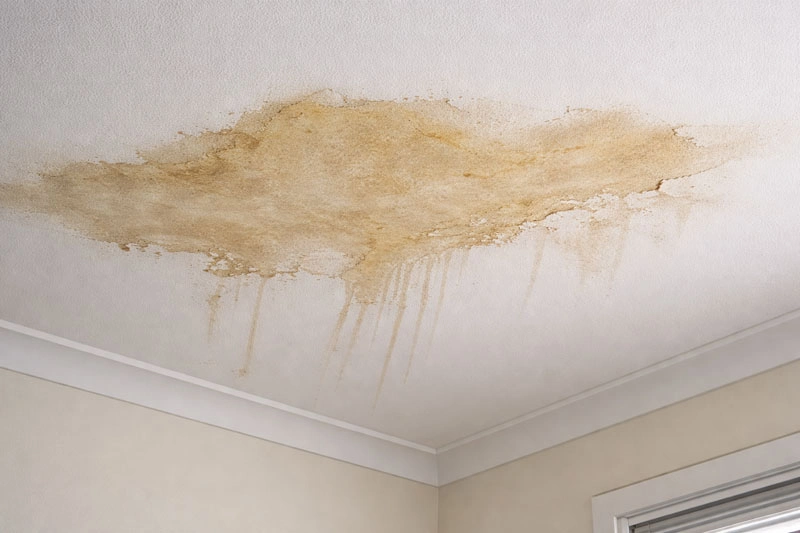
Inside your home, you’ll notice water stains on the ceiling below your balcony. These are the telltale signs that your balcony is leaking after rain and needs immediate attention. Fresh stains look dark and wet. Old ones are yellowish-brown and dry.
You might see paint peeling or bubbling on walls near the balcony. Sometimes there’s a musty smell before you even see the water damage. That’s mold starting to grow—one of several warning signs your balcony may have structural damage that needs immediate attention.
In bad cases, water actually drips from the ceiling during or right after rain. If you’re seeing active dripping, your waterproofing has completely failed.
On your balcony, look for puddles that stick around for hours after rain stops. Check the grout between tiles. Cracks, weird discoloration, or missing chunks are red flags.
Walk around and notice if any tiles feel spongy. Or tap them with your knuckle. Hollow sound? Water’s gotten underneath.
See white chalky stuff around the grout? That’s minerals being pulled out of the concrete by water soaking through. Not a good sign.
Why Ignoring a Leaking Balcony After Rain Costs Thousands
Look, I get it. Calling someone costs money, and maybe the leak isn’t that bad yet. But here’s what happens when you wait:
First few months, water saturates everything under your tiles. Your ceiling soaks up moisture. Mold starts growing in wall cavities where you can’t see it.
After 6-12 months, if you have concrete balcony, water reaches the steel reinforcement bars inside. When steel rusts, it expands. That expansion cracks the concrete around it. People call this concrete cancer, and fixing it costs a fortune.
For timber-framed balconies, the wood starts rotting. Eventually, this affects the balcony’s strength.
After a year or more, what could’ve been a $2,000-3,000 waterproofing job becomes a $15,000-25,000 structural repair nightmare. Now you’re replacing concrete, rebuilding timber frames, and fixing everything inside that got damaged. Plus (and this is important for apartment owners), if your leak damages someone’s place below yours, you might be paying for their repairs too.
What to Do When Your Balcony Leaks After Rain
First, document everything if you’ve just discovered your balcony leaking after rain. Take photos of water stains, puddles on your balcony, cracked grout, and any active leaking. Video works even better. Write down when you first noticed it and how much rain you got. This stuff matters for insurance and apartment building disputes.
Second, protect your stuff. Move furniture and valuables away from wet ceilings. Put buckets under drips. Use towels to soak up water. Open windows to help dry things out.
Don’t try to fix it yourself. I know it’s tempting to grab waterproof sealant from Bunnings. But trust me, this usually makes things worse. You’ll just seal water inside without fixing the actual problem underneath.
Call a professional within a few days. You need someone who can find exactly where water’s getting in. At Complete Construction Service, we do free inspections. We using special cameras that show moisture you can’t see with your eyes.
If you’re in an apartment. Tell your Owners Corporation right away. Even if the leak seems small. You’re legally required to report building problems. Plus it protects you down the track.
Why You Need Professional Help For Balcony Leakage
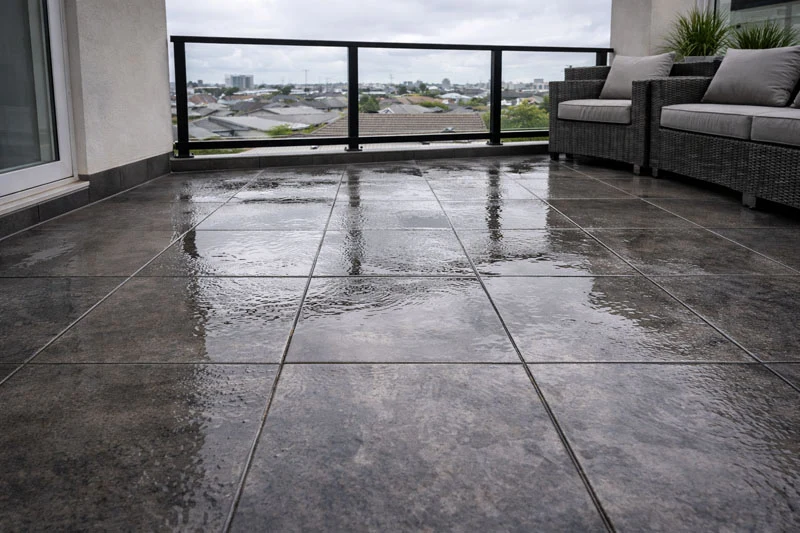
Here’s why you can’t DIY this: Waterproofing has to meet Australian Standard AS 3740-2010. That’s not just a suggestion. It’s the law. Our licensed waterproofing specialists ensure all work complies with these standards and Victorian building regulations.
Professional waterproofers have equipment to find exactly where water’s actually coming from because it doesn’t always leak where you think. Water might go in through a crack on one side of your balcony but show up on your ceiling three meters away. Thermal imaging cameras and moisture meters find the real source.
Also, in Victoria, waterproofing work legally requires a license from the Victorian Building Authority. Unlicensed DIY work can cause problems when you sell your house, and you get no warranty if it fails.
The scariest part? Hidden damage. Behind your walls, water might be rotting timber, corroding steel, growing mold colonies, or damaging electrical wiring. You need someone who knows how to check all this stuff.
How Professionals Actually Fix Balcony Leaking in Melbourne
Real repairs mean removing your tiles and damaged materials down to the concrete or timber underneath. Yeah, it sounds extreme, but it’s the only way to check everything’s solid and replace the failed waterproof membrane properly.
The process goes like this. We prep the surface properly. We apply a properly graded screed layer and install new waterproofing that meets Australian Standards. Make sure water slopes toward drains like it should. Then install new tiles and grout.
Good contractors flood-test everything before final tiles go down. That proves the waterproofing actually works. You want that guarantee before spending money on new tiles.
Complete Construction Service provides professional balcony leak repair and waterproofing services across Melbourne, handling tiling, screeding, and any structural repairs needed. Everything’s licensed and follows Victorian building regulations.
Your Questions Answered
Why is my balcony leaking after rain in Melbourne?
Your balcony leaking after rain in Melbourne is caused by failed waterproofing, not the rain itself. Melbourne’s extreme UV exposure (Index 11+) degrades waterproofing membranes over time. When rain arrives, it simply reveals the damage by flowing through cracks, failed grout, or compromised membranes that UV exposure already created.
Can rain damage a properly waterproofed balcony?
No. If your waterproofing’s good, even Melbourne’s worst storms shouldn’t get water inside. Rain reveals existing failures. It doesn’t create them.
Is it normal for balconies to leak after heavy rain?
Absolutely not. A lot of Melbourne balconies do leak (especially older ones), but that’s a problem that needs repair. Not something you should accept as normal.
How urgent is this?
Pretty urgent. Every time it leaks, damage spreads. What costs $3,000 to fix today might cost $20,000 in a year. Get it checked within a few days.
Will it stop leaking when rain stops?
The dripping stops, yeah. But moisture trapped inside keeps damaging stuff. And it’ll leak again next rain.
Can I fix this myself?
Not really. Waterproofing needs a license in Victoria. DIY attempts usually fail because they don’t address the root cause.
How long does waterproofing last?
Good waterproofing lasts 10-15 years in Melbourne. Depends on sun exposure and maintenance though. North and west-facing balconies wear out faster.
Don’t Wait for the Next Storm
Your balcony leaking after rain because the waterproofing has failed. Melbourne’s sun damaged it over time. Now rain’s showing you the problem. Every storm makes it worse.
This isn’t something you can ignore or patch with a DIY fix. You need proper diagnosis from licensed professionals who can find the real source and repair it according to Australian Standards.
Small leaks turn into structural disasters faster than you’d think. A $3,000 repair today could be a $20,000+ nightmare in 12 months once concrete cancer or serious rot sets in.
Complete Construction Service provides free balcony leak inspections across Melbourne. We’ll find exactly what’s wrong, explain your options clearly, and give you an honest quote. Our licensed team handles waterproofing, tiling, screeding, professional rendering and structural repairs. Everything you need in one place.
Call us today at [0414 060 534] or request your free inspection online.
Don’t let the next rainstorm cause more damage. Get it fixed right, get it fixed once.